
Engineering Knowledge · 6 min
How Is Crane Capacity Determined?
Rated load is only the starting point. Lifting attachments, dynamic effects, duty, load spectrum and process risk must be evaluated together.
Read guide Endüstriyel Kaldırma SistemleriMühendislik, üretim ve servis tek teknik merkezde
Applied guidance on capacity, duty class, runway, speed control, maintenance, diagnostics, modernization and safety systems.
Rated load is only the starting point. Lifting attachments, dynamic effects, duty, load spectrum and process risk must be evaluated together.
Read guide
Operating hours, cycles, average load ratio and load spectrum determine the required duty class of the crane and its mechanisms.
Read guide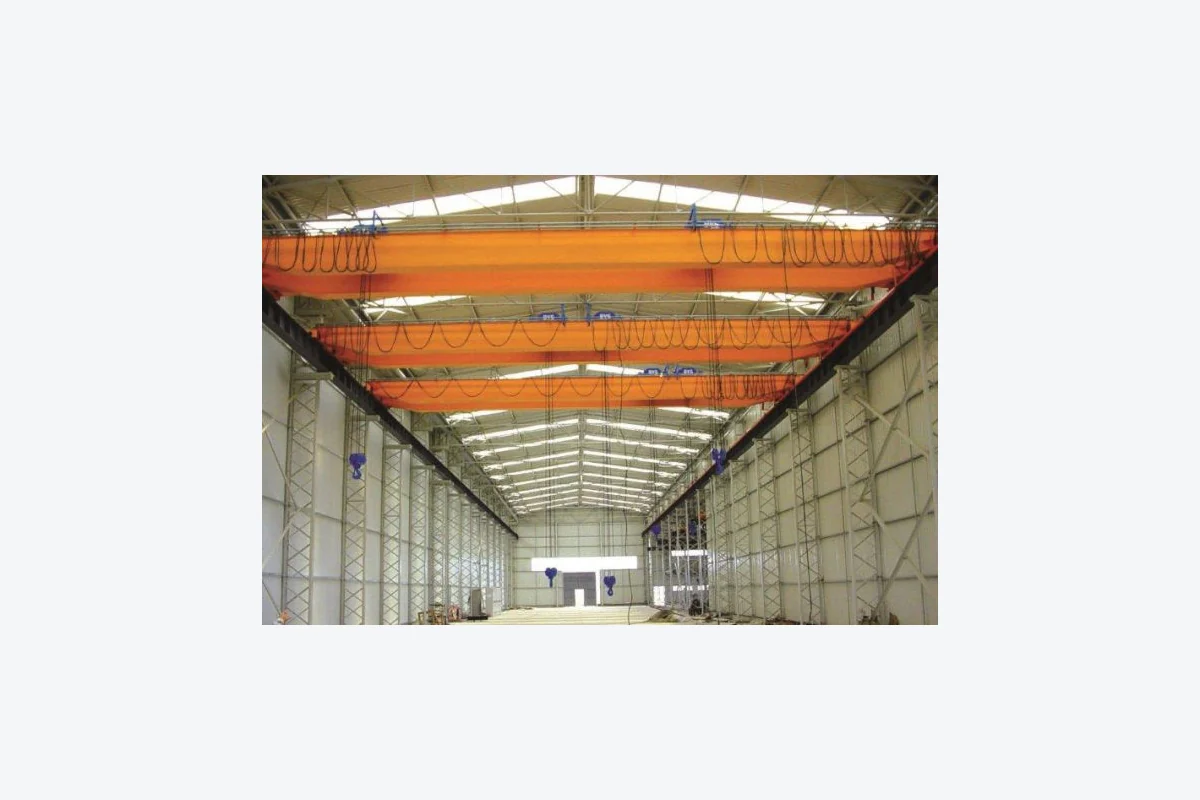
The decision depends on capacity, span, hook approach, headroom, duty and maintenance access rather than tonnage alone.
Read guide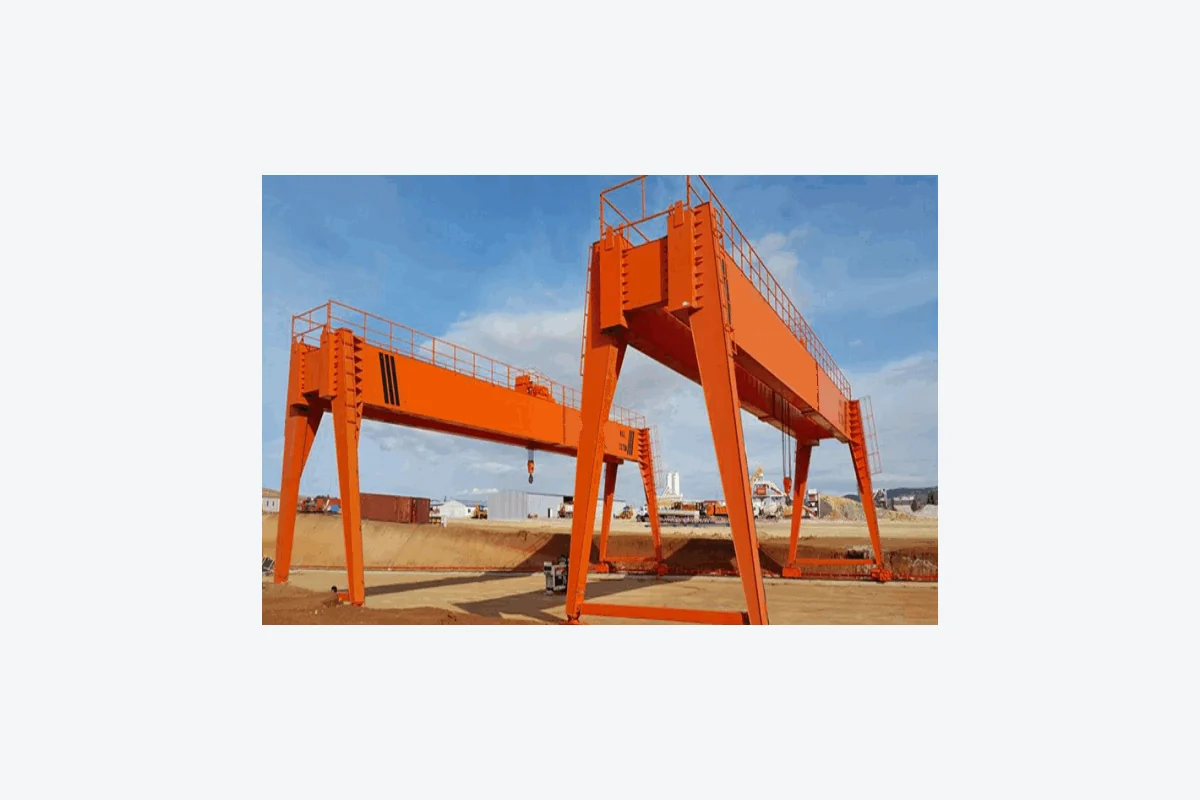
Rail gauge, ground capacity, drainage, anchorage, alignment and wind exposure are critical to gantry crane performance.
Read guide
Broken wires, diameter loss, deformation, corrosion, elongation and connection damage must be recorded and evaluated systematically.
Read guide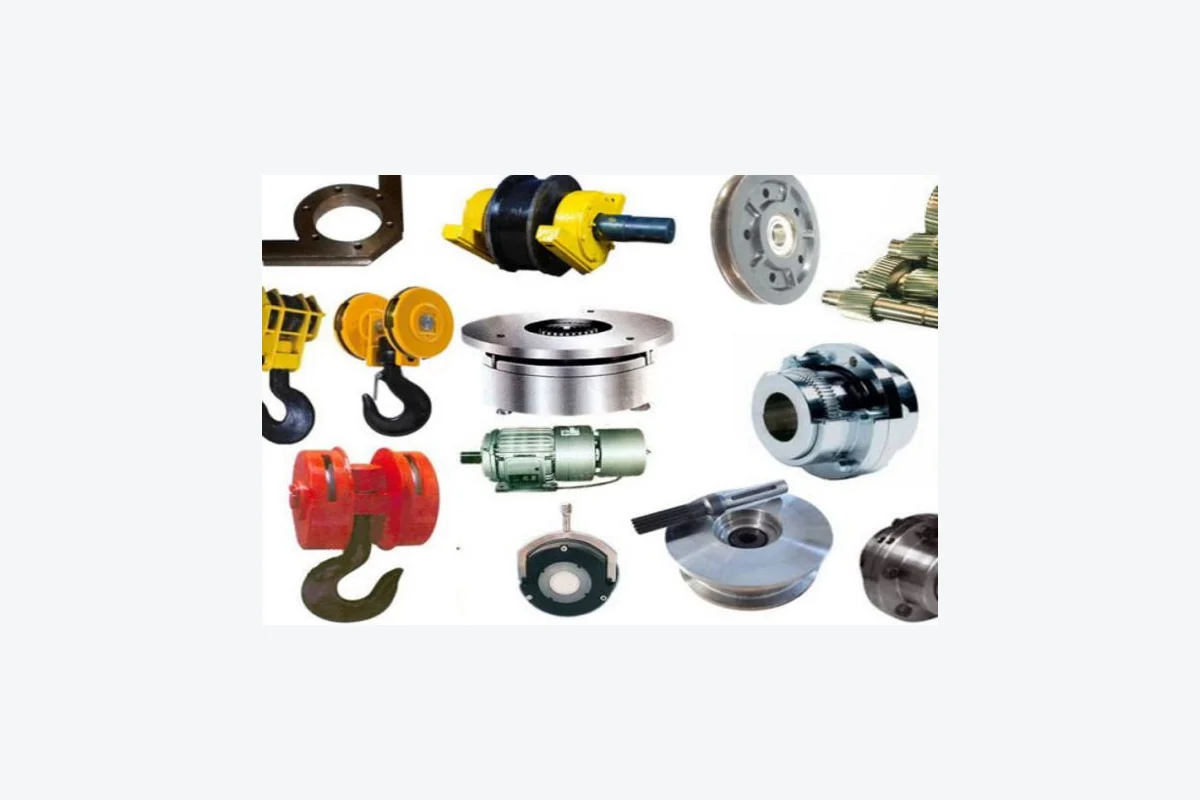
Brake response, lining condition, spring setting and limit positions are essential for controlled motion and safe stopping.
Read guide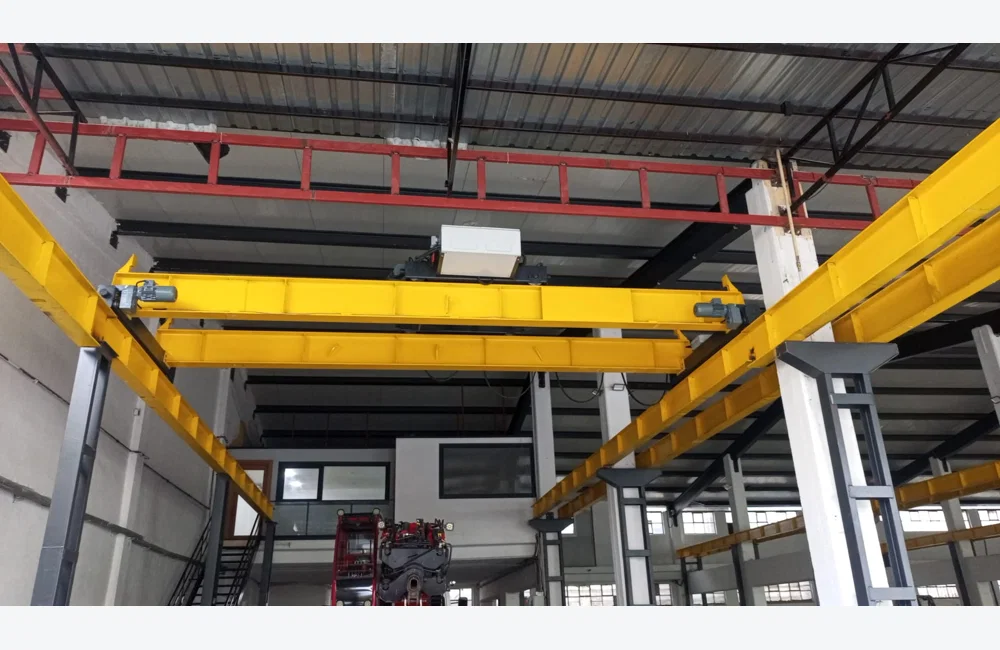
Safe lifting depends on equipment condition, competent operation, load control, pedestrian separation and disciplined maintenance.
Read guide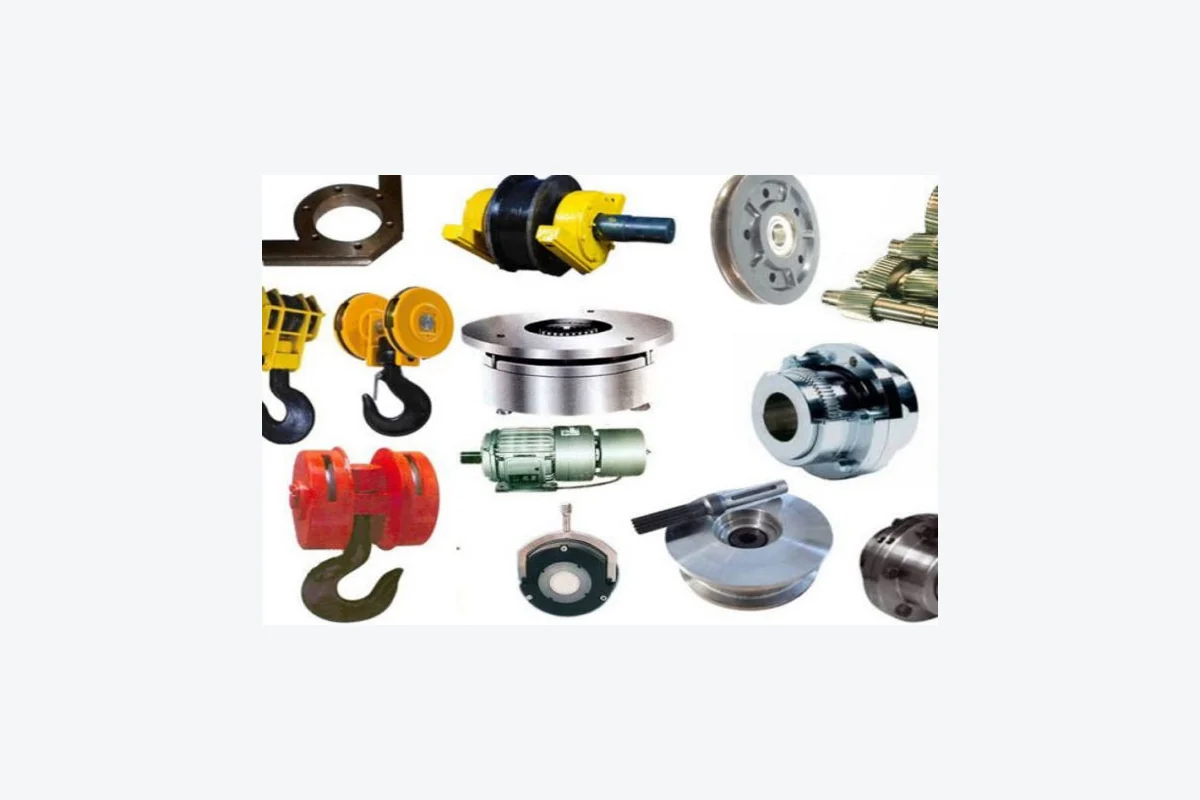
Part selection requires verification of dimensions, electrical ratings, connection type, torque, reduction ratio and operating duty.
Read guide
Crane classification combines design life, total working cycles, load spectrum and mechanism service conditions.
Read guideRunway level, gauge, straightness, joints and wheel contact conditions directly affect travelling performance and component life.
Read guideSpeed control affects load sway, mechanical shock, stopping distance and positioning accuracy.
Read guideTransport dimensions, packaging, site access and commissioning planning are as important as the technical specification.
Read guideStructural condition, production loss, spare part availability and future capacity requirements determine the best option.
Read guideReplacing the failed component alone may not prevent repeated crane breakdowns.
Read guideMaintenance frequency should reflect duty, cycles, environment and critical component risk rather than calendar time alone.
Read guideOverload limiting, travel limits, emergency stop, brake monitoring and collision prevention should be treated as one risk-based safety architecture.
Read guideCompare capacity, span, duty, hook approach, self-weight, wheel loads and maintenance access before selecting a single- or double-girder overhead crane.
Read guideUnderstand how capacity, span, duty, runway condition, controls, installation access and documentation shape the scope and cost of an overhead crane project.
Read guideReview the safe first response and the mechanical, electrical and control factors that may cause a crane brake to slip or release incorrectly.
Read guideExamine runway alignment, bridge geometry, wheel condition and drive synchronization when overhead-crane wheel flanges show repeated wear.
Read guideIdentify the drum, rope guide, sheave, fleet-angle and operating factors behind crossed, crushed or displaced wire-rope winding.
Read guideRecord fault code, motion, load, motor, brake and supply data to improve root-cause diagnosis of crane variable-frequency drive faults.
Read guideFollow a safe diagnostic sequence for transmitter, receiver, emergency stop, power supply, outputs and the crane safety chain.
Read guideAssess sensor installation, zero point, reference load, alarms, motion restriction, safe lowering and records when checking overload protection.
Read guideEvaluate side and end hook approach against process reach, hoist geometry, end carriages, buffers, limits and maintenance clearances.
Read guideUnderstand why runway acceptance depends on crane type, span, wheel arrangement, reference system, measurement method and observed travel behaviour.
Read guideCreate a sustainable program from asset inventory, criticality, duty, history, statutory inspection planning and critical spare-parts strategy.
Read guideSet modernization scope by comparing objectives, existing condition, structural limits, controls, safety functions, downtime and lifecycle alternatives.
Read guideSend a structured request for a new crane, modernization, maintenance, fault or spare parts.